
Podcast: Download (Duration: 15:37 — 21.4MB)
Subscribe: Apple Podcasts | Spotify | Android | RSS | More
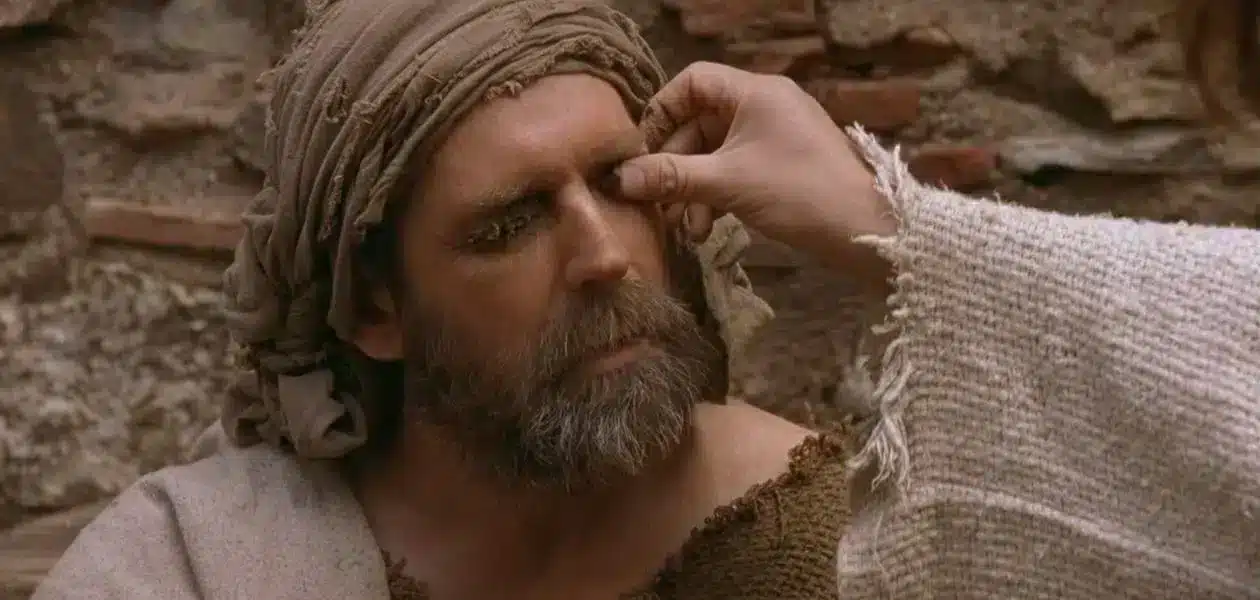
On the 3rd, 4th, and 5th Sundays of Lent, those who are preparing to be baptized at Easter participate in liturgical rites called “Scrutinies.” In order to be ready to receive the sacrament of “enlightenment,” another name for baptism, they shine a light on their souls so as to be ready to reject darkness and choose the true light. The readings at Mass are chosen to reflect this preparation. Today we get the story of the healing of the man born blind.
Being blind is a great way to describe our spiritual state when stuck in sin. We don’t see the world right. Maybe we are even willfully blind to our own sin. This is the accusation Jesus makes against the Jewish leaders. Like them, we often spend a lot of time looking at other people’s sins and the sins of the world. We normally can’t do much to change other people or the world. Why not instead shine the light on ourselves?
If we really look honestly into the state of our lives, we often don’t like what we see. There are lots of problems and it’s sometimes easier not to look. Not only do we not like what we see, but we assume God doesn’t like what he sees in us either. This is a great hinderance to our relationship with God. As we read in the 1st reading today, “Not as man sees does God see.” God looks at us, mess that we are, and sees only his beloved children in need of help.
How do you imagine that God looks at you? What if you really allowed yourself to be seen, warts and all, and then found not judgment on the other side, buy only acceptance and love? This is the great gift of enlightenment. We need to be healed of our blindness, not just so that we can see, but that we can been seen… and loved.